Acrylic Painting Supplies: the complete guide
Updated March 10, 2026 · 14 min read
Acrylic is the medium we recommend to most new painters: it dries fast, cleans up with water, forgives mistakes by simply covering them, and needs no solvents. It is also the medium with the widest quality gap between the best and worst supplies on the shelf. This guide walks through every category of acrylic painting supplies, in the order you should buy them.
If you want the guided, step-by-step version with a first-painting walkthrough, our Complete Acrylic Painting Starter Guide pairs with this reference. This page is the buyer's companion: what to get and why.
Heavy body, soft body, fluid, and craft paint
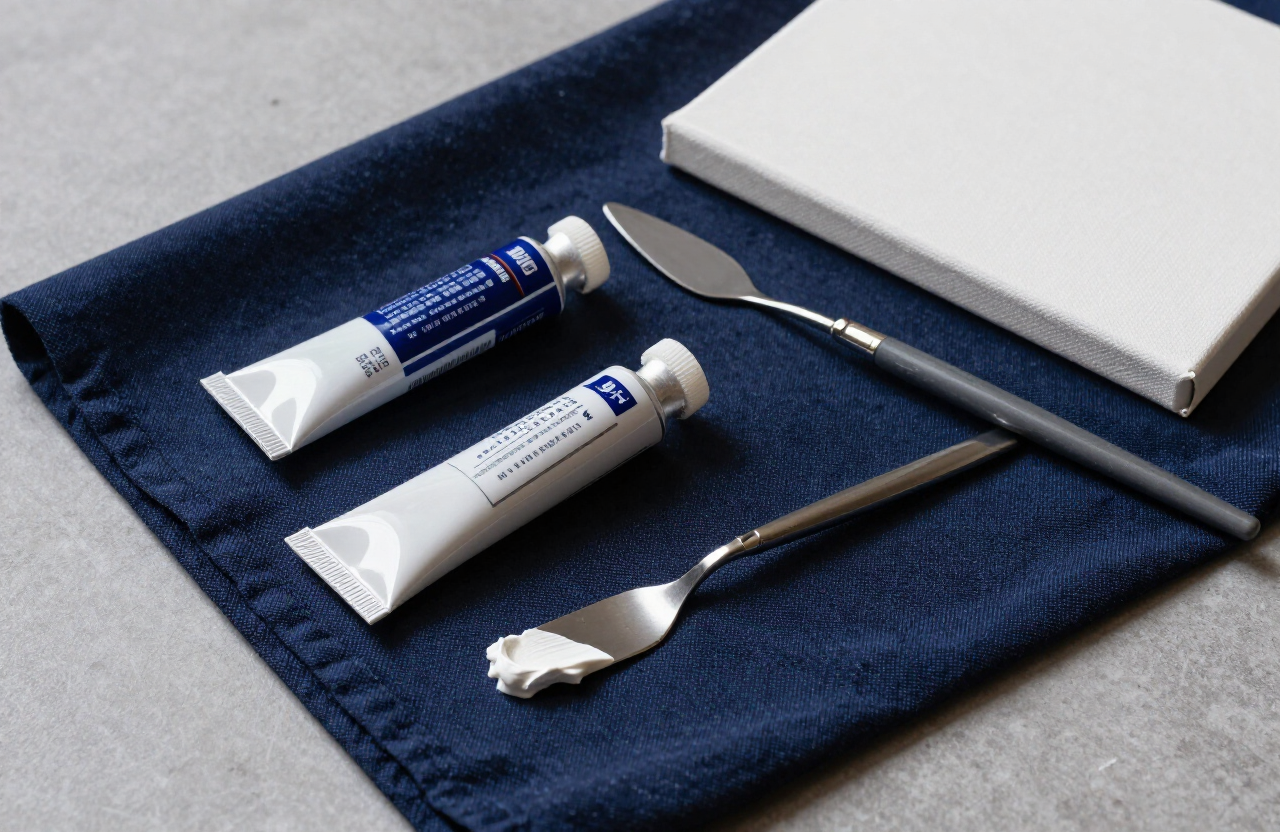
Acrylic paint comes in four consistencies. Heavy body is thick and buttery, holds brushstrokes and palette-knife texture, and is the default for canvas painting. Soft body is creamier and levels out — better for smooth coverage and detail. Fluid acrylics pour and stain like ink. High-flow and ink acrylics behave like watercolor with permanence.
Craft paint — the two-dollar bottles — is a different product entirely: low pigment, high filler, and colors that dry dull and chalky. It has its uses (underpaintings, kids, crafts), but it teaches bad habits about how far paint should go. A single tube of decent student acrylic outperforms a rack of craft bottles.
Student grade versus artist grade
The student/artist gap in acrylic is about pigment concentration. Student lines (Liquitex Basics, Amsterdam Standard, Winsor & Newton Galeria) use less pigment and more binder, so colors are slightly weaker and mixes slightly muddier — but the best student lines are honestly good, and we recommend them without embarrassment for a first year of painting.
Artist-grade acrylic (Golden, Liquitex Professional, Winsor & Newton Professional) is noticeably stronger: colors tint further, dry with less shift, and stay cleaner in mixes. The smart upgrade path is color-by-color — replace white first (you use most of it), then your workhorse primaries.
The eight-tube starter palette
A versatile acrylic palette needs eight tubes: titanium white, cadmium yellow medium (or its hue), yellow ochre, cadmium red medium (or hue), alizarin crimson, ultramarine blue, phthalo blue, and burnt umber. From these you can mix skin tones, skies, foliage, and every neutral in between.
Buy the biggest tube of white you can — acrylic painters use two to three times more white than any other color. Mars black is optional; mixing ultramarine and burnt umber makes a richer dark than any tube black.
Brushes for acrylic
Acrylic is hard on brushes: the paint dries fast and permanently, and the medium encourages scrubbing. Synthetic fibers are the right choice — they resist the alkaline binder better than natural hair and cost less to replace. Stiff synthetics (Princeton Catalyst, Royal & Langnickel Zen) handle heavy body; softer synthetics suit soft body and detail.
Four brushes cover a first year: a size 8 flat, a size 8 round, a size 2 round for detail, and a cheap 2-inch flat for gesso and coverage. The unbreakable rule: never let acrylic dry in the brush. Rinse during sessions, wash with soap after, and store flat or handle-down.
Mediums: the two that matter
The acrylic medium aisle is a wall of jars, but beginners need two. Gesso primes raw surfaces — one coat on canvas panels or paper makes paint behave and protects the support. Gloss or matte medium thins paint without weakening the binder, which water alone does past about 30% dilution.
Everything else is a specialty tool: retarder slows drying (useful, but a stay-wet palette does the same job), gel mediums build texture, and pouring mediums serve the pouring niche. Buy mediums when a painting problem demands them, not in anticipation.
Surfaces: panels, canvas, and paper
Canvas panels are the ideal learning surface: rigid, pre-primed, archival enough, and a tenth the price of stretched canvas. Stretched canvas earns its price for finished work — the spring of the fabric under the brush is genuinely pleasant. Acrylic paper (heavy, primed, canvas-textured) is the cheapest practice surface and stores in a drawer.
Acrylic also paints happily on wood panels, illustration board, and properly primed MDF. Whatever the support, it needs primer: raw surfaces suck binder out of the paint and leave colors dull. Our canvas and paper guide covers the full surface landscape.
The stay-wet palette: acrylic's best accessory
Acrylic's fast drying is its great strength and its daily annoyance — paint skins over on a normal palette within minutes. A stay-wet palette (a sponge layer under special paper, in a sealable box) keeps paint workable for days. It is the single accessory that most changes the experience of painting with acrylic.
The commercial versions (Masterson Sta-Wet is the standard) cost about fifteen dollars and last for years. A spray bottle for misting the palette during sessions is the companion purchase.
Budget path: first kit to working studio
A complete first acrylic kit — Liquitex Basics 12-set, four synthetic brushes, a pad of canvas panels, a stay-wet palette, and gesso — runs $80–100. That kit produces real paintings, not just exercises.
The upgrade order that maximizes each dollar: better white paint first, then a proper size-12 flat, then artist-grade primaries, then stretched canvas for finished pieces. Resist the medium wall until a specific painting asks for it. Most professionals use fewer products than beginners own.
Acrylic Painting Supplies compared
The short version, side by side. Every row links to a fuller discussion in the guide above — and every product here earned its place in hands-on testing.
| Line | Grade | Body | Best for | Typical price (set) |
|---|---|---|---|---|
| Student | Medium | First kit; best student value | $25–35 (12 colors) | |
| Student+ | Medium | Stronger pigment per dollar | $30–40 (12 colors) | |
| Student+ | Buttery | Smooth coverage and detail | $35–45 (10 tubes) | |
| Golden Heavy Body | Artist | Heavy | Texture and professional work | $45–60 (intro set) |
| Artist | Soft | Smooth, level application | $50–65 (intro set) |
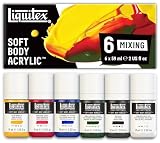
Beginner recommendations
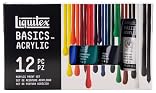 Liquitex Basics 12-color acrylic set
Our default first acrylic set for a decade of recommendations: honest pigment, consistent body, and colors that mix without turning to mud.
Check price on Amazon DUGATO 13-piece synthetic brush set
Stiff-enough synthetics that keep their shape through beginner scrubbing. A thirteen-brush set covers every stroke a first year needs.
Check price on Amazon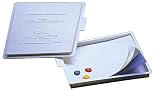 Masterson Sta-Wet Handy Palette
Keeps acrylics workable for days. The accessory that most improves daily painting life — and pays for itself in un-wasted paint.
Check price on Amazon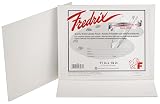 Fredrix canvas panels 8×10, 12-pack
Twelve rigid, pre-primed surfaces for the price of two stretched canvases. Practice deserves quantity; panels deliver it.
Check price on Amazon
Professional recommendations
- Golden Heavy Body acrylics
The professional reference: maximum pigment load, minimal dry-shift, and a consistency that holds a palette-knife peak. Upgrade white and your core primaries first.
Check price on Amazon - Princeton Catalyst Polytip brushes
Flagged synthetic tips that load like natural bristle and spring like sable. The long flats are the best acrylic brushes we have used at any price.
Check price on Amazon 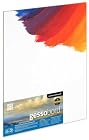 Ampersand Gessobord panels
Museum-quality hardboard with an impeccable acrylic gesso ground. Rigid, archival, and the surface our finished acrylic work goes on.
Check price on Amazon- Golden OPEN slow-drying acrylics
A genuinely different working time — hours instead of minutes — without retarder additives. For oil-style blending in acrylic, nothing else comes close.
Check price on Amazon
Acrylic Painting Supplies FAQs
Keep reading
Related guides from the acrylic painting supplies shelf
Acrylic Painting Supplies
The Complete Acrylic Painting Starter Guide
From unopened tubes to a finished first painting: the complete acrylic starter path, with the exact kit, the setup, and the five mistakes that stall every beginner.
Read the guide
Art Storage & Organization
How to Build an Affordable Art Studio (Complete Setup Guide)
A working studio is a system, not a room. Here is the complete budget build — space, light, furniture, and storage — for under $300, most of it secondhand.
Read the guide