Canvas & Paper: the complete guide
Updated March 1, 2026 · 13 min read
Artists obsess over paint and pencils, then buy whatever surface is on sale. Backwards. The surface is half the medium — it determines how marks land, how washes behave, and whether the work survives a decade. This guide decodes canvas and paper specifications and matches surfaces to mediums.
Every surface recommended here has been through our side-by-side protocol: the same drawing or wash study executed on competing products and compared for behavior, not first impressions.
Paper weight: gsm and lb decoded
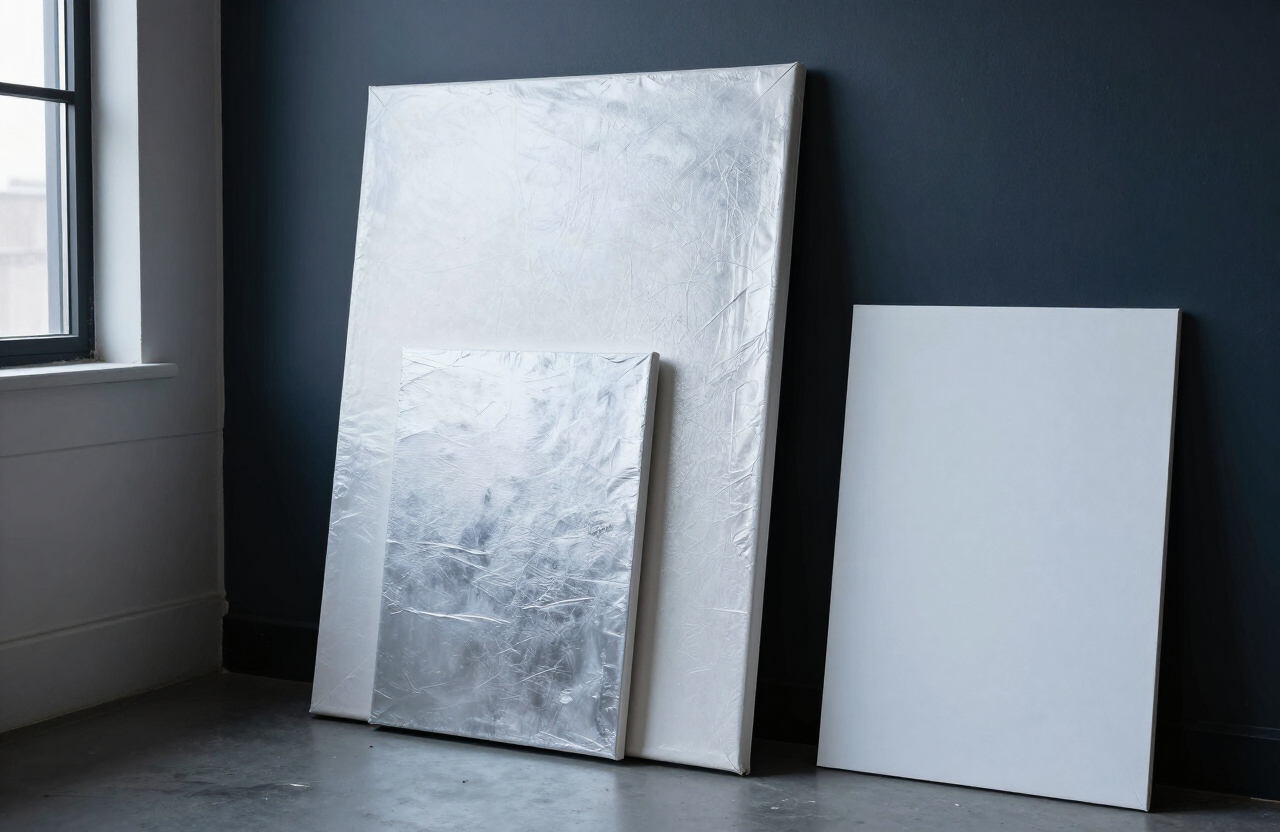
Paper weight appears as gsm (grams per square meter) or lb (pounds per ream) — and the lb number means different things for different paper categories, which is why gsm is the honest unit. For drawing, 90–130 gsm (60–80 lb) handles dry media. For watercolor, 300 gsm (140 lb) is the working minimum; 640 gsm (300 lb) stays flat under anything.
Heavier is not automatically better — it is more expensive. Match weight to abuse: light paper for dry media and practice, heavy paper for wet media and finished work. A 300 gsm sheet tolerates masking, lifting, and scrubbing that would destroy a 190 gsm sheet.
Cotton versus cellulose paper
Cellulose (wood-pulp) paper is the affordable default: fine for drawing and practice, but it yellows with age and fights wet media. Cotton (rag) paper is the archival standard: pH-neutral, dimensionally stable when wet, and tough enough to survive reworking. The price gap is real — cotton costs three to five times more.
The practical strategy most professionals use: cellulose pads for the daily mileage, cotton for work that matters. Canson XL and Strathmore 400 cover the practice tier; Arches, Fabriano Artistico, and Baohong cover the cotton tier at ascending prices.
Surface texture: tooth and press
Drawing paper texture is called tooth — the microscopic peaks that grab pigment. More tooth holds more layers of graphite, charcoal, and pastel; less tooth (plate or vellum finish) suits pen and fine detail. Medium tooth is the versatile default.
Watercolor paper uses press terminology: hot press is smooth (detail, pen-and-wash), cold press is medium (the all-rounder, and where to start), rough is heavily textured (expressive washes, drybrush). Printmaking and pastel papers have their own textures — sanded pastel paper is a category of its own and worth it for pastel work.
Canvas: cotton, linen, and weave
Cotton duck canvas is the working standard: affordable, consistent, and archival when properly primed. Linen is the premium fiber — stronger, smoother, more stable across humidity, and the traditional choice for serious oil painting. The honest verdict: paint on cotton for years; linen is a refinement, not a requirement.
Weave weight matters more than fiber for most painters. Heavier canvas (10–12 oz) resists sagging on larger stretchers; lighter canvas (7–8 oz) suits small work. Portrait-grade (fine weave) suits detail; coarse weave adds texture that shows through thin paint.
Stretched canvas, panels, pads, and rolls
Stretched canvas — fabric on a wooden frame — is the presentation format: springy under the brush, ready to hang. Canvas panels (canvas glued to board) are rigid, cheap, and stack flat: the practice and study format. Canvas pads are sheets of primed canvas in a pad: the cheapest real-canvas practice surface. Rolls are for painters who stretch their own — economical past a certain volume.
A sensible studio stocks two tiers: panels or pads for the daily work, stretched canvas for pieces intended to sell or hang. Buy stretched canvas in multipacks from house brands (Blick, Fredrix) — the per-canvas price drops by half.
Priming and gesso
Primer (gesso) is the ground between surface and paint: it seals the support, gives paint something to grip, and prevents oil paint from rotting canvas fibers. Pre-primed surfaces are the default and fine for years of work. Raw canvas and wood panels need two to three coats of acrylic gesso, sanded lightly between coats.
Acrylic gesso works under both acrylic and oil paint despite the name. Traditional oil ground is a specialist choice for oil painters chasing a specific surface feel. One upgrade worth making: an extra coat of gesso on cheap pre-primed canvas transforms how paint behaves on it.
Pads, blocks, sheets, and sketchbooks
Format affects behavior. Pads are convenient and cheap. Blocks — watercolor paper glued on all four sides — dry flat without stretching, a genuine quality-of-life upgrade for wet media. Loose sheets are the economical way to buy cotton paper: one 22×30 sheet tears down to eight 9×12 pieces. Sketchbooks are for the daily habit; our sketchbook guide compares the field.
Storage matters as much as purchase: paper lives flat, away from humidity and sun. Canvas stores vertically, face-to-face or back-to-back, never face-to-back. Our storage guide covers the details.
Canvas & Paper compared
The short version, side by side. Every row links to a fuller discussion in the guide above — and every product here earned its place in hands-on testing.
| Surface | Spec | Best for | Typical price |
|---|---|---|---|
| 60 lb, medium tooth | Daily drawing practice | $8–12 | |
| 98 lb, fine tooth | Wet + dry experiments | $10–14 | |
| 300 gsm, 100% cotton | Finished watercolor | $25–35 | |
| 8 oz cotton, primed | Acrylic/oil practice | $20–28 | |
| Paramount triple-primed stretched cotton | 12 oz, triple-primed | Finished paintings | $15–25 each |
Beginner recommendations
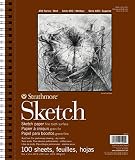 Strathmore 400 Series sketch pad, 9×12
The default drawing pad for a reason: consistent medium tooth, 100 sheets, and a price that encourages daily use.
Check price on Amazon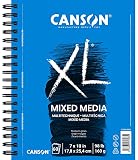 Canson XL Mix Media pad
One pad that survives pencil, ink, watercolor, and acrylic — the right single-surface answer for a beginner still choosing a medium.
Check price on Amazon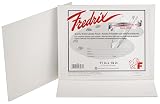 Fredrix canvas panels, 12-pack
Rigid, pre-primed, and stackable. Twelve practice paintings for the price of two stretched canvases.
Check price on Amazon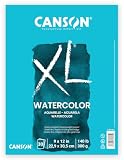 Canson XL watercolor pad, 300 gsm
The cheapest paper that takes real watercolor washes without falling apart. Learn on this; save cotton for keepers.
Check price on Amazon
Professional recommendations
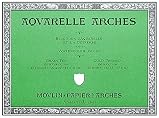 Arches watercolor block, cold press, 9×12
The reference cotton paper, glued four sides so it dries flat. Gelatin sizing survives lifting, scrubbing, and masking.
Check price on Amazon Fredrix canvas panels, 9×12
Fredrix primed cotton panels — rigid, pre-primed, and stackable. A reliable surface for finished oil and acrylic studies.
Check price on Amazon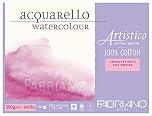 Fabriano Artistico watercolor block
Mould-made Italian cotton at a better price than Arches. Buy a block and paint — the sheets dry flat and ready to frame.
Check price on Amazon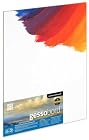 Ampersand Gessobord
Archival hardboard with a flawless acrylic ground. Rigid, smooth, and the panel our finished acrylic work goes on.
Check price on Amazon
Canvas & Paper FAQs
Keep reading
Related guides from the canvas & paper shelf
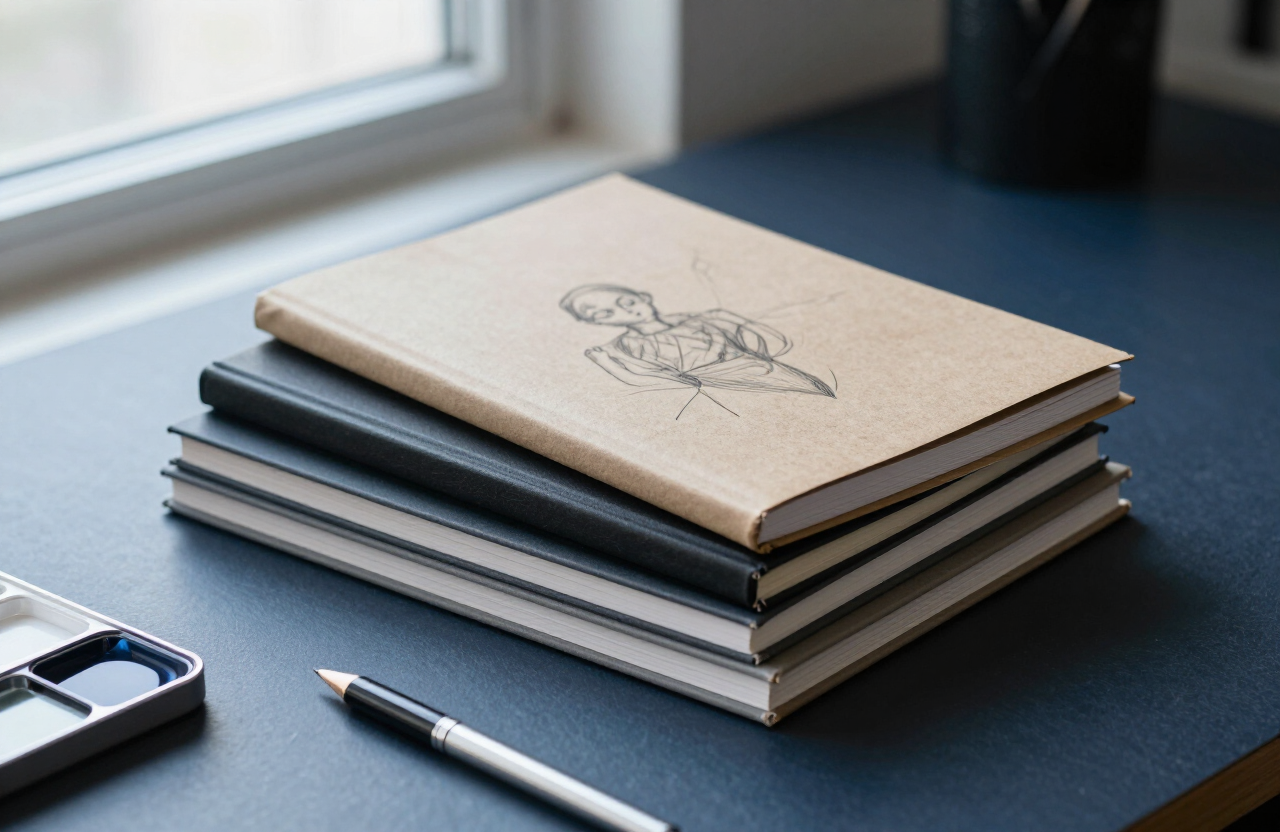
Drawing Supplies
Best Sketchbooks for Artists: Tested Picks for Every Medium
We filled, soaked, and abused a shelf of sketchbooks to find the ones worth your drawings — organized by medium, with the paper specs that actually matter.
Read the guide
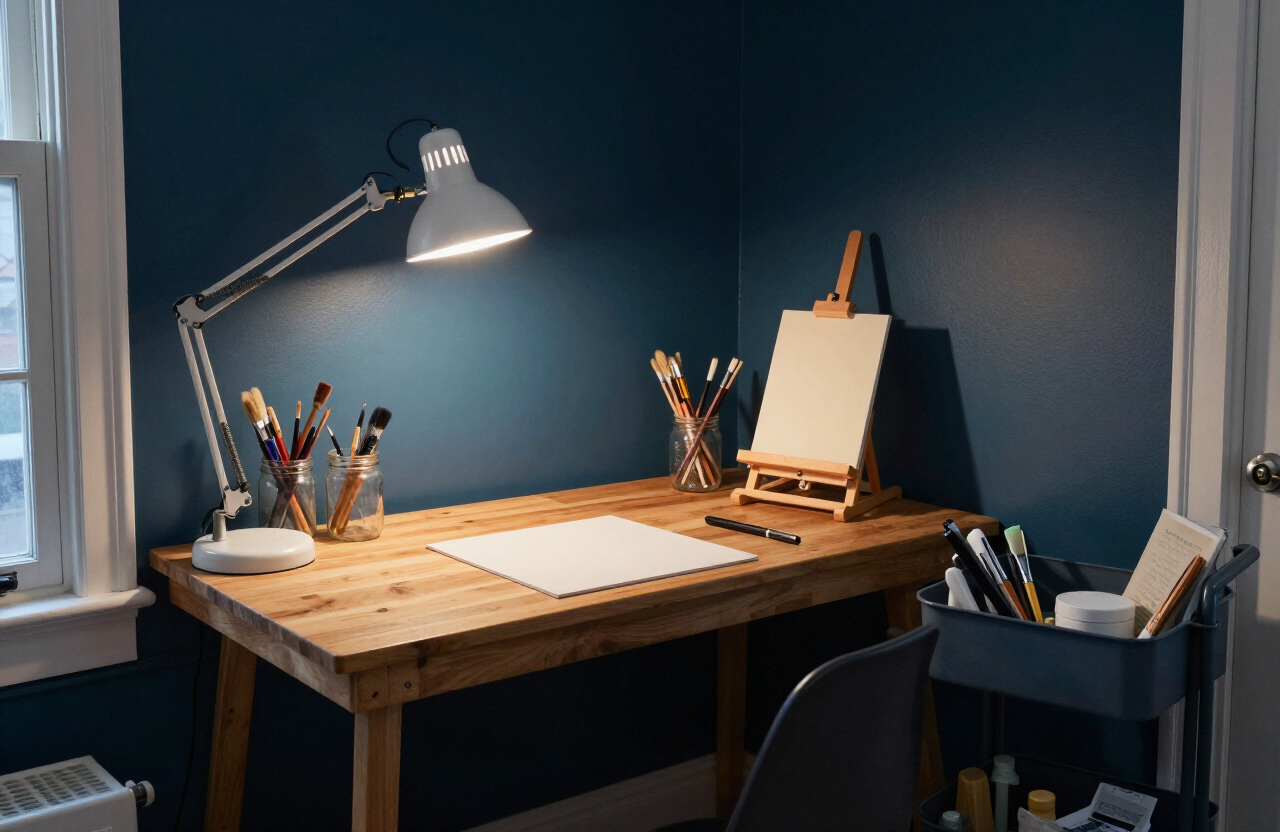
Art Storage & Organization
How to Build an Affordable Art Studio (Complete Setup Guide)
A working studio is a system, not a room. Here is the complete budget build — space, light, furniture, and storage — for under $300, most of it secondhand.
Read the guide