Painting Supplies: the complete guide
Updated February 26, 2026 · 15 min read
Painting supplies span four very different mediums — oil, acrylic, watercolor, and gouache — but the buying logic is the same across all of them: pigment quality matters, brush quality matters, and almost everything else is a distant third. This guide covers the shared foundation, then points you to the medium-specific guides where the details diverge.
We test painting supplies the slow way: brushes get months of use before we judge the ferrule, paints get compared in side-by-side swatches, and palettes get evaluated after the hundredth cleaning, not the first.
Start by choosing one medium
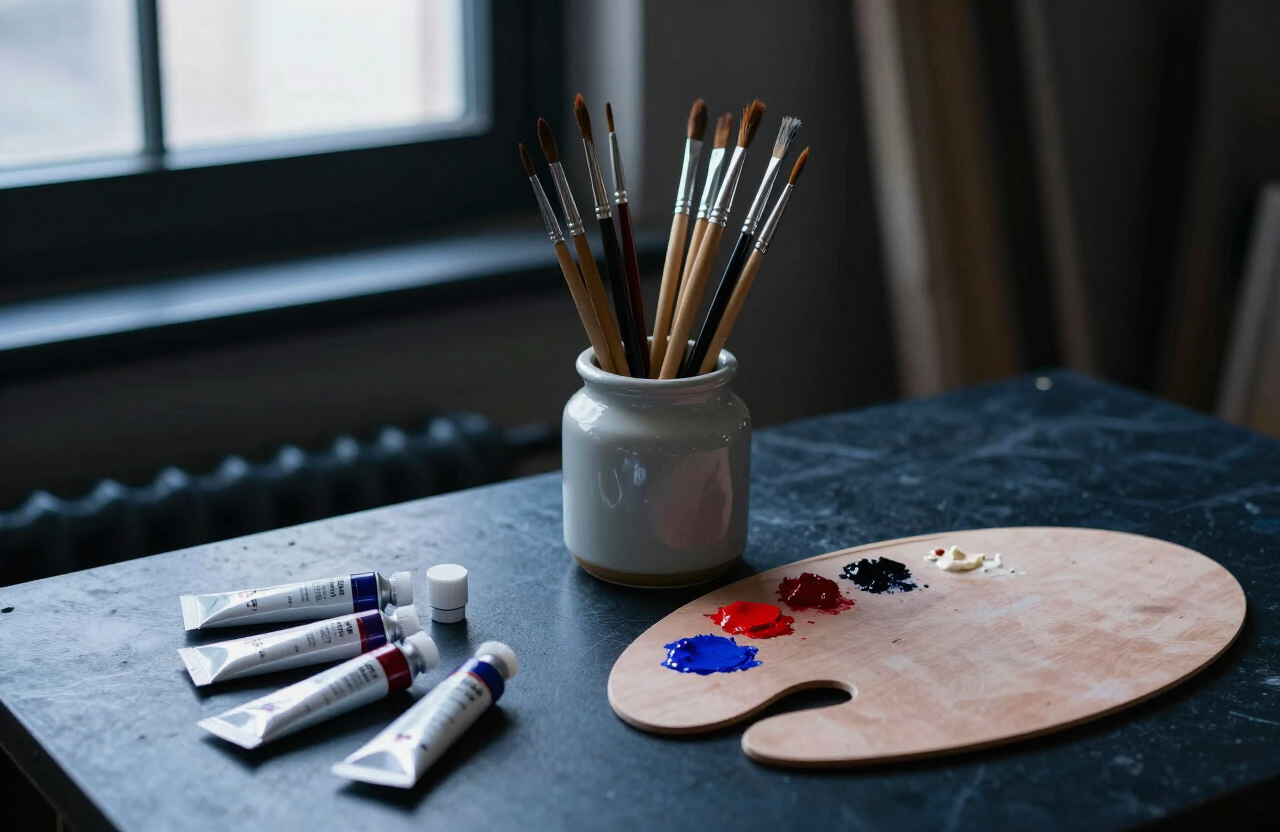
The most expensive painting supplies are the ones bought for a medium you abandon. Before spending anything, decide between the big four: acrylic (fast-drying, forgiving, water cleanup), oil (slow-drying, blendable, solvent cleanup), watercolor (transparent, portable, unforgiving of hesitation), and gouache (opaque watercolor, beloved by illustrators).
If you have no preference, start with acrylic — it is the most forgiving and the cheapest to equip. If portability calls to you, watercolor. If you dream of the Old Masters, oil. Our watercolor and acrylic guides go deep on each; the principles below apply to all.
Brushes: shape, fiber, and ferrule
Brush shapes do different jobs. Rounds come to a point for lines and detail. Flats make bold strokes and sharp edges. Filberts — a flat with a rounded tip — are the generalists. Brights (short flats) push heavy paint. You need three or four brushes, not thirty: a medium round, a medium flat, a small round, and a large flat for coverage.
Fiber choice follows the medium. Stiff hog bristle suits oil and heavy acrylic. Soft synthetics suit acrylic and watercolor. Natural sable remains the watercolor gold standard, though modern synthetics (Princeton Neptune, for example) close most of the gap at a fraction of the price. Whatever the fiber, check the ferrule — the metal collar. A seamless, crimped ferrule that does not wobble is the single best predictor of brush longevity.
Paint: student grade versus artist grade
Student-grade paint uses less pigment and more filler, which shows up as weaker tinting strength and muddier mixes. Artist-grade paint is more concentrated — you use less per painting, and colors stay clean when mixed. The honest advice: buy student grade for your first six months while you learn handling, then upgrade your most-used colors to artist grade one tube at a time.
Within any grade, check the pigment index on the tube (PB29, PY42, and so on). Single-pigment paints mix more predictably than convenience blends. A "hue" on the label — cadmium red hue — means a cheaper pigment imitating the real one, which is fine for learning and worth knowing.
The core palette that mixes everything
You do not need forty tubes. A warm and cool version of each primary, plus white and a dark neutral, mixes nearly any color you can see: cadmium yellow light and yellow ochre, cadmium red and alizarin crimson, ultramarine and phthalo blue, titanium white, and burnt umber. Eight tubes.
Learning to mix from a limited palette is faster training than owning every color, and it produces paintings with built-in harmony. Add convenience colors later, when you know which mixtures you reach for constantly.
Palettes, mediums, and solvents
A palette is a surface, not a product category — a sheet of glass, a disposable pad, or a stay-wet palette all work. Stay-wet palettes are genuinely useful for acrylic, extending open time from minutes to days. For oil, a simple wooden or glass palette is traditional for good reason.
Mediums modify paint behavior: gesso primes surfaces, gel mediums extend acrylic, linseed oil and odorless mineral spirits thin oil paint. Beginners need exactly one medium — gesso if you paint on raw surfaces, nothing otherwise. Solvent safety matters with oils: choose odorless mineral spirits, keep ventilation, and never pour waste down a drain.
Easels: buy for your space, not your aspirations
A tabletop easel or a simple A-frame handles canvases up to about 24 inches and stores in a closet — the right choice for most home painters. H-frame easels are studio furniture: stable, heavy, and permanent. Field easels sacrifice stability for portability.
Plenty of professionals tape paper to a board and paint at a desk. An easel is a comfort and posture tool, not a requirement. Spend on paint and brushes first; let the easel follow the habit, not precede it.
Surfaces: what to paint on
Canvas panels are the best beginner surface: rigid, cheap, archival enough, and easy to store. Stretched canvas feels better under the brush and is worth it for work you intend to keep. Paper made for your medium (acrylic paper, watercolor paper, oil paper) is the cheapest practice surface of all.
Whatever you choose, it must be primed. Pre-primed ("gessoed") surfaces are the default and fine for years of painting. Our canvas and paper guide covers weights, weaves, and grounds in detail.
A realistic first-year budget
A capable acrylic setup — eight tubes of student-grade paint, four brushes, a pad of canvas panels, and a stay-wet palette — runs $70–90. Oil adds solvent and runs $100–130. Watercolor is cheapest at $50–70 because the paint goes so far.
Plan to replace brushes before paint. A brush that splayed after three sessions was not a bargain. Mid-range synthetics from Princeton or Royal & Langnickel survive beginner technique; bargain-bin brush sets rarely do.
Painting Supplies compared
The short version, side by side. Every row links to a fuller discussion in the guide above — and every product here earned its place in hands-on testing.
| Set | Medium | Grade | Best for | Typical price |
|---|---|---|---|---|
| Acrylic | Student | First acrylic kit | $25–35 | |
| Oil | Student | First oil kit | $35–45 | |
| Watercolor | Student | Portable watercolor | $20–28 | |
| Golden Heavy Body Introductory set | Acrylic | Artist | First serious upgrade | $45–60 |
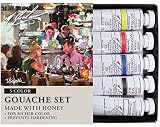
| Gouache | Artist | Illustration and design | $40–50 |
Beginner recommendations
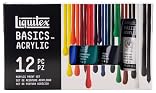 Liquitex Basics acrylic 12-color set
The best-behaving student acrylic we have tested — real pigment load, consistent body, and colors that mix cleanly. The set we hand to every new painter.
Check price on Amazon DUGATO 13-piece synthetic round brush set
Durable synthetic rounds and flats that survive beginner scrubbing. A thirteen-brush set covers every stroke a first year of painting requires.
Check price on Amazon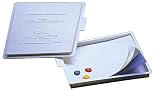 Masterson Sta-Wet palette
Keeps acrylics workable for days instead of minutes. Pays for itself in saved paint within a month of regular painting.
Check price on Amazon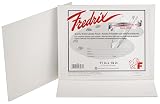 Fredrix canvas panels, multipack
Rigid, pre-primed, and cheap enough to paint fearlessly. Twelve panels is twelve paintings for the price of two stretched canvases.
Check price on Amazon
Professional recommendations
- Golden Heavy Body acrylics
The reference standard for professional acrylic: maximum pigment load, buttery consistency, and a huge single-pigment range. Upgrade your core palette colors first.
Check price on Amazon - Rosemary & Co brushes
Handmade brushes at factory prices, bought direct. The Eclipse long flats and Series 33 points are studio staples that outlast brushes costing twice as much.
Check price on Amazon  Gamblin Artist's Oil colors
Honest, pigment-forward oil paint made in Portland. Their 1980 line is also the best-value student oil we know when budget matters.
Check price on Amazon- Princeton Catalyst Polytip brushes
The synthetic that finally rivals natural hair for heavy paint — flagged tips hold a load like bristle but spring back like sable.
Check price on Amazon
Painting Supplies FAQs
Keep reading
Related guides from the painting supplies shelf
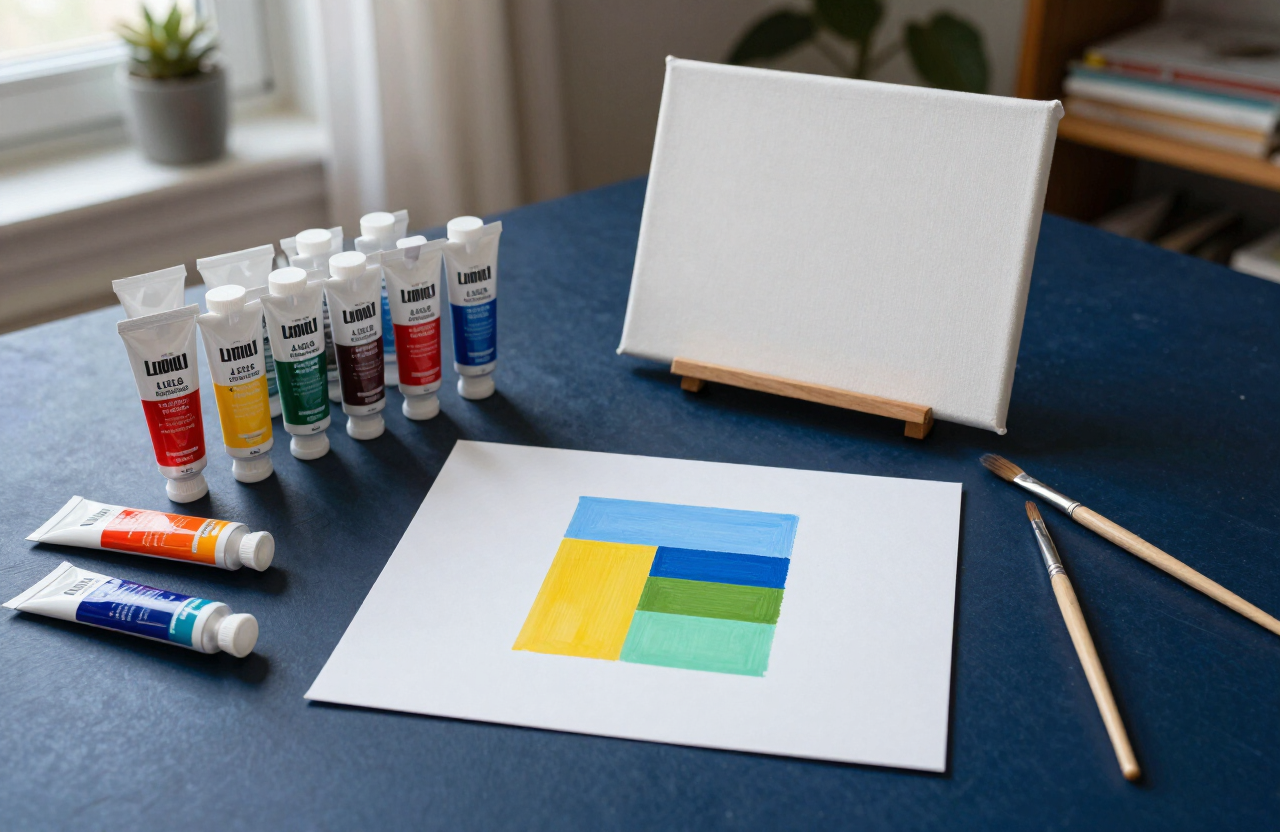
Acrylic Painting Supplies
The Complete Acrylic Painting Starter Guide
From unopened tubes to a finished first painting: the complete acrylic starter path, with the exact kit, the setup, and the five mistakes that stall every beginner.
Read the guide
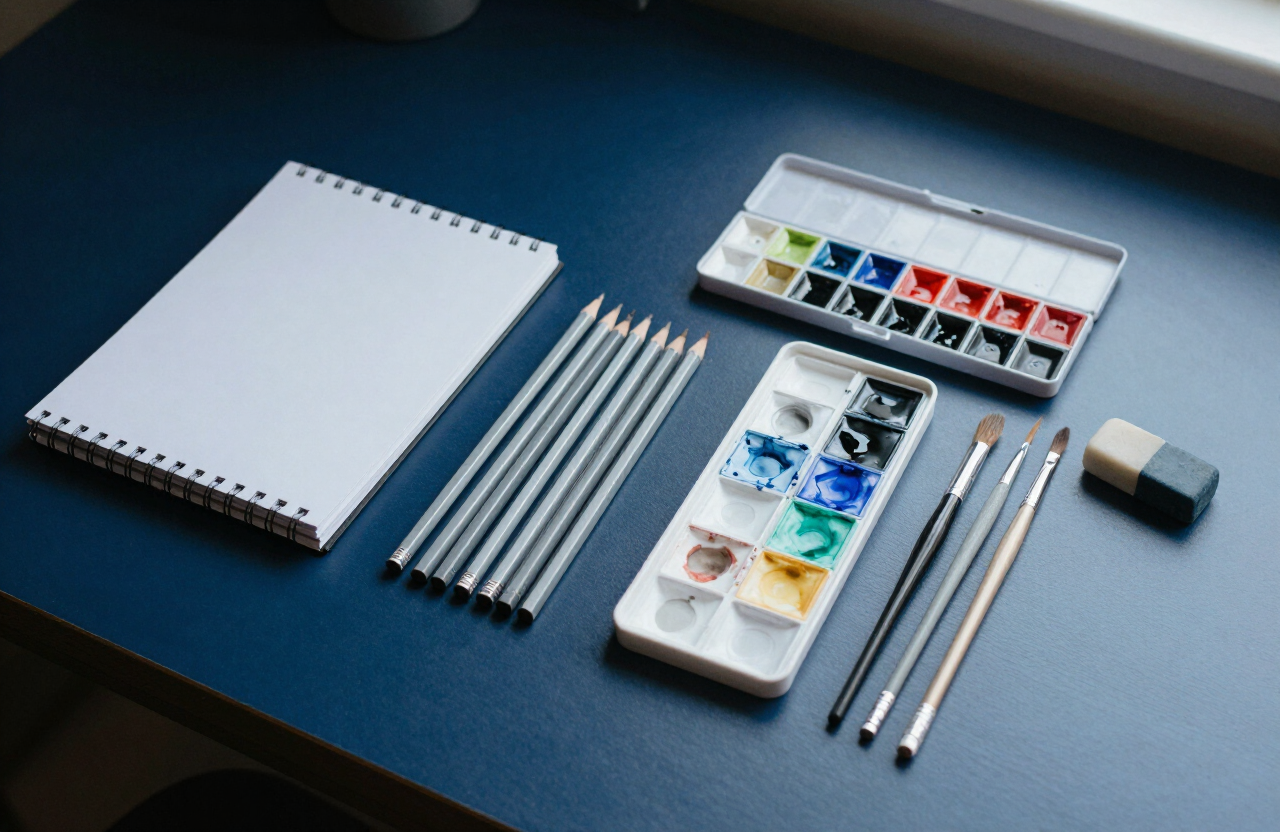
Drawing Supplies
Best Art Supplies for Beginners: The Honest Starter Kit
A complete, tested beginner art kit for under $100 — plus the five products beginners should never buy, and the upgrade order that makes every dollar count.
Read the guide