Sculpting Tools: the complete guide
Updated February 20, 2026 · 13 min read
Sculpture has the lowest tool barrier of any art form — a lump of clay and a loop tool will carry you for months — and the highest confusion, because tool catalogs mix pottery, polymer, and stone-carving gear without distinction. This guide sorts sculpting tools by what they actually do, matched to the clay you intend to use.
Our tool reviews come from the shared-studio test: six months in a community studio where tools are borrowed, dropped, and abused. The tools recommended below are the ones still working.
Choose your clay first
Sculpting tools are universal; clays are not. Air-dry clay (DAS, Jovi) hardens without a kiln — cheap and kid-safe, but not waterproof or especially strong. Polymer clay (Sculpey, Fimo) bakes in a home oven, holds fine detail, and suits small figures and jewelry. Oil-based clay (plastiline, Monster Clay) never dries — the choice for maquettes and mold-making. Water-based ceramic clay needs a kiln but produces permanent, functional work.
Beginners should start with air-dry or polymer: both are forgiving, cheap, and need no special equipment. Move to ceramic clay when you have kiln access through a community studio — most cities have one, and studio membership beats buying a kiln by about a decade of budget.
The essential hand tools
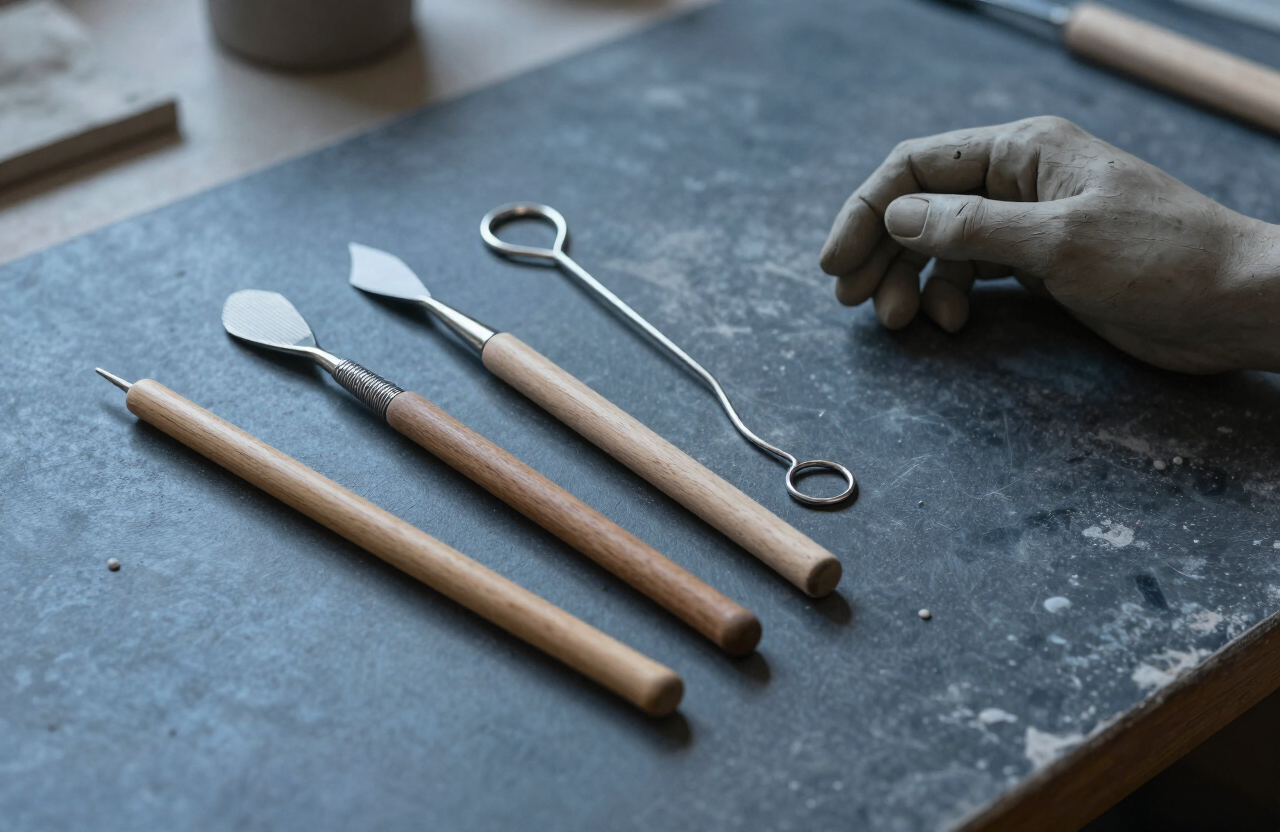
Five tools cover 90% of hand-building and modeling. A wire-loop tool carves and removes material. A ribbon tool — a flattened loop — refines surfaces. A wooden modeling tool shapes and smooths. A needle tool cuts, scores, and details. A rib (metal or wood) compresses and finishes surfaces.
The ubiquitous 11-piece "clay tool kit" contains all five for under ten dollars, and it is genuinely the right first purchase — the tools are simple enough that cheap versions work. Upgrade individual tools as they wear or as your work demands better steel.
Loop and ribbon tools: the workhorses
Loop tools remove clay; the loop's shape and size determine the cut. A teardrop loop is the generalist, a round loop scoops, and a triangular loop cuts crisp grooves. Wire-end tools — a wire stretched across a handle — do the same job with more flex and feedback.
This is the category where professional tools earn their price. Kem and Xiem loops use hardened, sharpened steel that slices rather than drags, and the difference in surface quality is visible. A single professional loop tool — a Kem K23 or Xiem equivalent — is the first upgrade we recommend to anyone past their third sculpture.
Armatures: the skeleton inside
Anything taller than a few inches needs an armature — an internal skeleton that supports the clay while you work. Aluminum armature wire is the standard: soft enough to bend by hand, stiff enough to hold a pose, and it never rusts inside the clay. For larger work, add a wooden base and galvanized steel wire or pipe.
Two rules save most beginner sculptures: build the armature smaller than the final form (clay adds bulk), and keep clay thickness even (thick sections dry or fire unevenly and crack). A roll of 1/16-inch and 1/8-inch aluminum wire handles everything from figures to animals.
Wooden versus steel modeling tools
Wooden modeling tools are gentle: they compress and smooth without gouging, and clay releases from them cleanly. They wear down over months of use — which is fine, because they are cheap and the worn shapes become custom tools. Boxwood is the traditional premium wood.
Steel tools cut, scrape, and hold an edge. They are for material removal and crisp detail, and they last essentially forever. Most sculptors end up with a mixed kit: steel for subtraction, wood for shaping, and fingers for everything else. Do not overlook silicone-tipped "color shapers" — superb for smoothing polymer and oil clays.
Workspace, safety, and cleanup
Sculpture needs less space than painting: a sturdy table, a banding wheel (a rotating platform that lets you work all sides without touching the piece), and good light. Cover the table with canvas or a plastic sheet; dried clay dust is the enemy of both lungs and finishes.
Safety is simple but real: never dry-sand clay (silica dust is hazardous — wet-sand or carve instead), wash hands before eating, and keep polymer clay tools separate from kitchen tools. A spray bottle keeps water-based clay workable; a damp box — a sealed container with a wet sponge — keeps a work in progress alive between sessions.
Budget path: first figure to working bench
A complete beginner sculpting kit — an 11-piece tool set, a block of air-dry or polymer clay, aluminum armature wire, and a spray bottle — costs $30–40. That is a genuine working kit, not a toy.
The upgrade order: one professional loop tool first, then a banding wheel, then a set of quality wooden modeling tools, then — only if ceramic work becomes serious — studio membership for kiln access. Resist specialty tools until a specific piece demands them; most professional sculptors work with a dozen tools they know intimately.
Sculpting Tools compared
The short version, side by side. Every row links to a fuller discussion in the guide above — and every product here earned its place in hands-on testing.
| Set | Contents | Best for | Typical price |
|---|---|---|---|
| Loops, ribbon, needle, ribs, wood tools | First kit for any clay | $8–12 | |
| Hardwood + stainless | Shaping and smoothing | $8–12 | |
| Xiem stainless loop set (3) | Sharpened steel loops | Clean carving and hollowing | $30–40 |
| 8-piece pottery & clay sculpting set | Wire-end tools + wood tools | Classroom and figure work | $20–30 |
| Air-dry clay, tools, wire | Complete first project | $25–35 |
Beginner recommendations
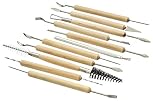 SE 11-piece clay sculpting tool kit
Every essential shape — loops, ribbon, needle, ribs, wooden modelers — for under twelve dollars. The correct first purchase for any clay.
Check price on Amazon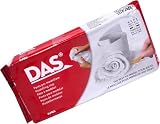 DAS air-dry clay, 2.2 lb
The most forgiving air-dry clay we have used: smooth, minimal cracking, and takes paint beautifully. One block is a month of practice.
Check price on Amazon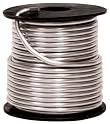 Aluminum armature wire, 1/8 inch
Soft enough to bend by hand, stiff enough to hold a figure. The skeleton that keeps beginner sculptures standing.
Check price on Amazon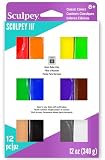 Sculpey III polymer clay multipack
Oven-bake clay in a useful color range. Holds fingerprint-level detail and cures in a home oven — no kiln required.
Check price on Amazon
Professional recommendations
 Kemper hardwood modeling tool
Boxwood and stainless tools shaped for real work — the profiles professionals reach for daily. They wear into custom shapes that fit your hand.
Check price on Amazon- Xiem stainless steel loop tools
Hardened, sharpened loops that slice clay instead of dragging it. The single most noticeable tool upgrade in sculpture.
Check price on Amazon - Heavy-duty cast-iron banding wheel
A heavy, smooth-spinning cast-iron wheel that turns a sculpture under your hands. Once you work on one, a static table feels broken.
Check price on Amazon - Monster Clay premium modeling clay
The professional oil-based clay for maquettes and mold work: firm enough for crisp detail, sulfur-free, and infinitely reworkable.
Check price on Amazon
Sculpting Tools FAQs
Keep reading
Related guides from the sculpting tools shelf
Art Storage & Organization
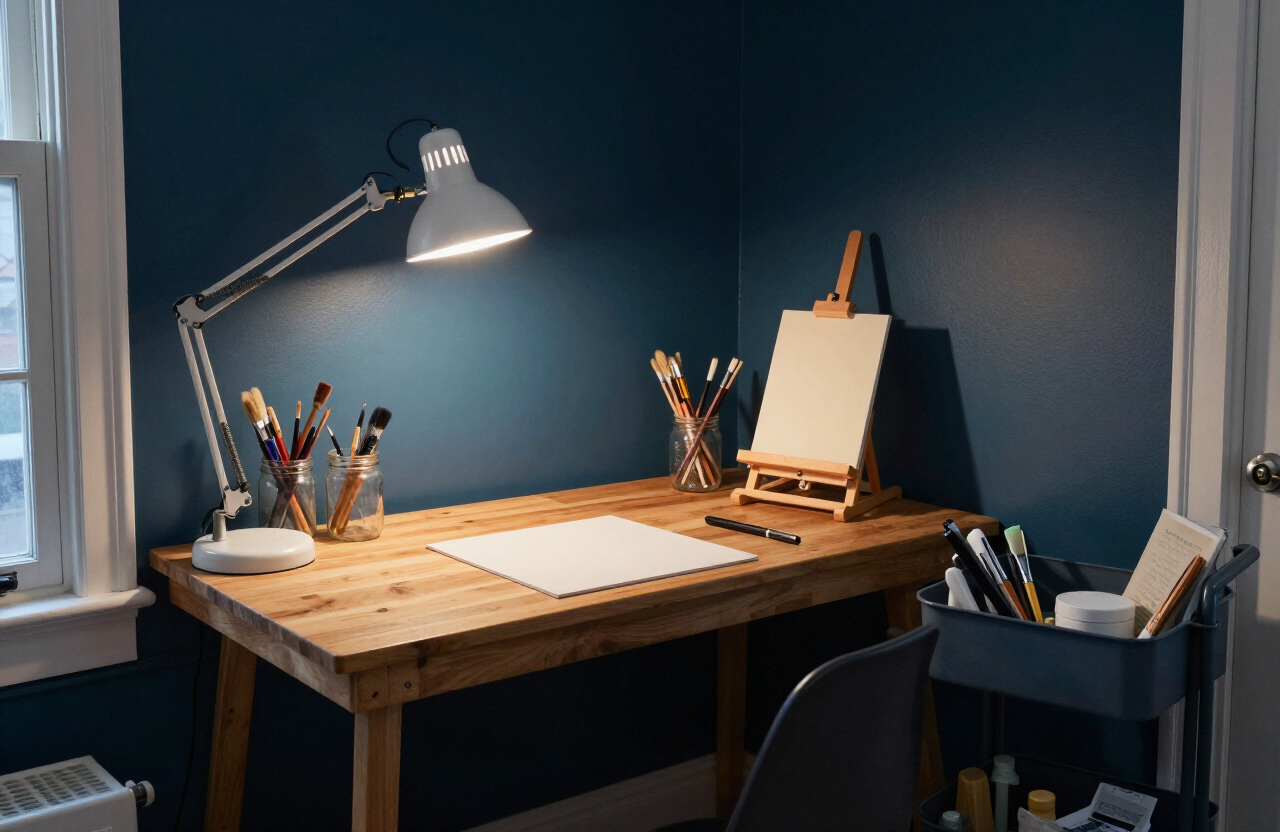
How to Build an Affordable Art Studio (Complete Setup Guide)
A working studio is a system, not a room. Here is the complete budget build — space, light, furniture, and storage — for under $300, most of it secondhand.
Read the guide
Drawing Supplies
Best Art Supplies for Beginners: The Honest Starter Kit
A complete, tested beginner art kit for under $100 — plus the five products beginners should never buy, and the upgrade order that makes every dollar count.
Read the guide