Art Storage & Organization: the complete guide
Updated February 14, 2026 · 12 min read
Art supplies degrade when stored badly: brushes splay, paint skins over, paper buckles, and finished work gets damaged by the pile it lives in. Good storage is not about tidiness — it is about protecting the money you have already spent and the work you have already made.
This guide covers storage by category, then the zoning system that keeps a working studio functional. Everything recommended has survived at least a year in our own working studios.
Why storage is a supply category
A ten-dollar brush stored bristle-down in a jar is ruined in a month. A hundred-dollar paper stack stored against a damp wall is ruined in a season. Storage is the cheapest insurance in the studio, and it compounds: organized supplies get used, buried supplies get re-bought.
The organizing principle is simple: store everything the way it wants to be stored. Brushes want air and vertical rest, paint wants airtight and upright, paper wants flat and dry, and finished work wants separation and darkness.
Brush and tool storage
Clean, dry brushes store bristle-up in a jar or flat in a drawer — never bristle-down, and never damp in a sealed container (the ferrule rots and the handle swells). A bamboo roll-up case protects brushes for transport and doubles as a drying rack.
Small tools — palette knives, sculpting tools, erasers — disappear into drawers unless corralled. A simple desktop organizer or a cutlery tray in a drawer ends the daily hunt. Pegboard above the worktable turns wall space into the most accessible storage in the studio.
Paint storage
Tubes store upright, caps clean, in a box or drawer — a clean cap is the difference between a tube that lasts five years and one that is cemented shut in six months. Wipe threads before closing. Acrylic and oil paint tolerate normal room temperatures; avoid windowsills and radiators.
Open watercolor pans live in their tins; keep the tin dry between sessions to prevent mold. Airtight plastic boxes with dividers (ArtBin is the standard) keep tube collections sorted by color family, which genuinely speeds up painting sessions.
Paper and canvas storage
Paper stores flat, full stop. A flat file is the professional answer; a portfolio case or an under-bed storage box is the realistic one. Keep paper away from exterior walls and floors in damp climates, and never store it vertically long-term — sheets bow and never fully recover.
Stretched canvas stores vertically, face-to-face or back-to-back with another canvas, never face-to-back (the stretcher bars emboss the painted surface over time). Slide corrugated cardboard between faces for anything you care about.
Storing finished work
Works on paper go into portfolios or flat files with glassine interleaving — glassine, not plastic, which traps moisture. Framed work stores vertically with corner protectors. Canvases get the vertical treatment above, with cardboard separators.
Label everything with title, date, and medium on the back. The artist who cannot find a piece cannot sell it, show it, or photograph it. A simple inventory spreadsheet pays for itself the first time a buyer asks what is available.
Studio zoning: the working system
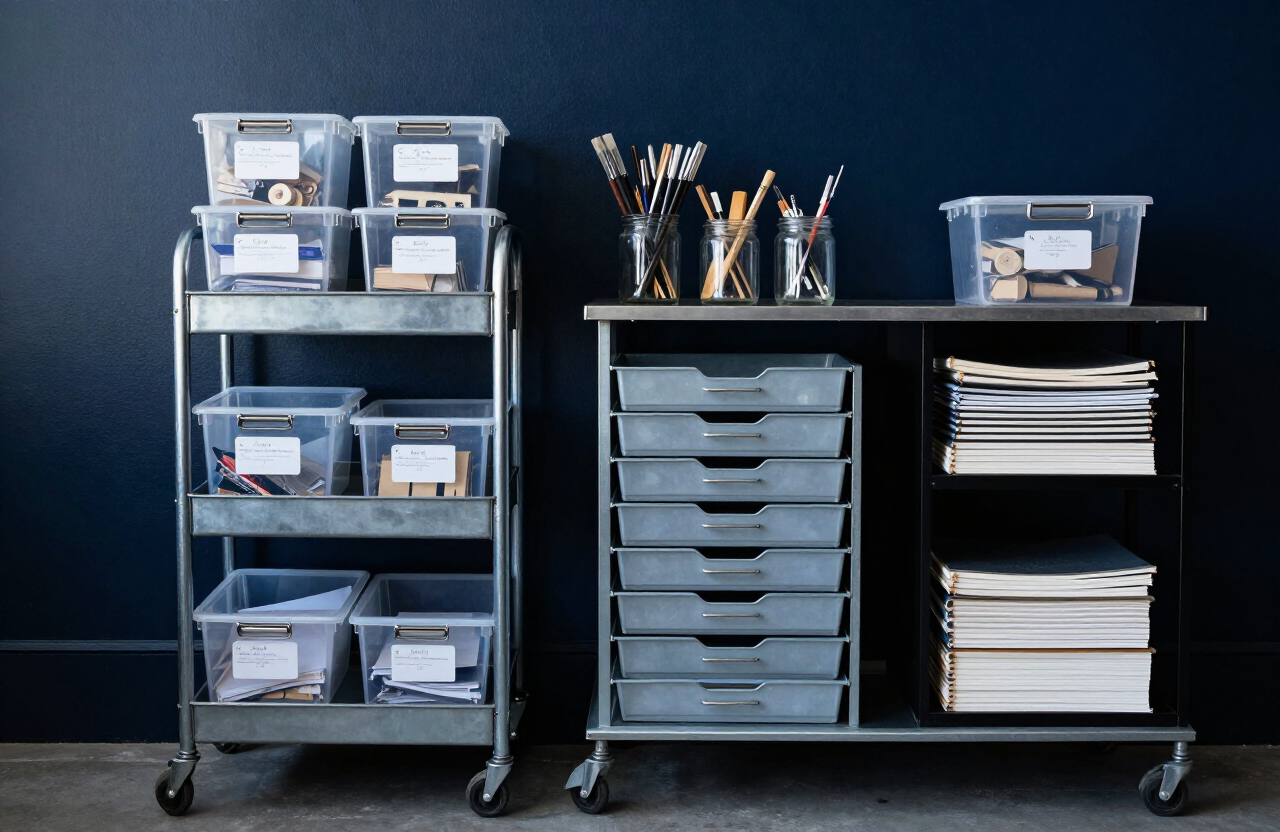
Organize by workflow, not by category. Zone one is the active work surface: only what the current project needs. Zone two is arm's-reach storage: the rolling cart with daily tools. Zone three is deep storage: flat files, shelves, and bins for everything else.
The rolling cart is the keystone — it moves the working kit to wherever the light is best and parks against the wall when space is needed. Three tiers hold a surprising amount: brushes and tools up top, paint in the middle, paper and rags below.
Budget path: from shoeboxes to flat files
Under $50: a rolling cart (the IKEA Raskog is the studio standard for a reason), mason jars for brushes, and clear shoebox bins for paint. Under $150: add a portfolio for works on paper and a pegboard for the wall. Beyond that, a flat file is the destination purchase — buy used; they last forever and turn up on resale sites constantly.
Spend on storage in the order your collection grows: brushes and paint first, paper second, finished work third. The goal is never a magazine studio — it is a studio where everything is findable, protected, and ready to use.
Art Storage & Organization compared
The short version, side by side. Every row links to a fuller discussion in the guide above — and every product here earned its place in hands-on testing.
| Solution | Stores | Best for | Typical price |
|---|---|---|---|
| Daily tools and paint | The arm's-reach zone | $30–40 | |
| Tubes, pans, small tools | Sorted paint storage | $15–25 each | |
| Brushes | Transport and drying | $10–15 | |
| Works on paper to 11×14 | Finished work and paper | $15–25 | |
| Paper and flat work | The destination purchase | $150–400 |
Beginner recommendations
 3-tier rolling utility cart
The unofficial studio standard: three tiers, fits beside any desk, and moves your whole working kit to the best light in the room.
Check price on Amazon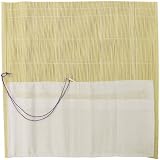 Bamboo brush roll-up case
Protects brush tips in transit and unrolls into a drying stand. Ten dollars that doubles the life of every brush you own.
Check price on Amazon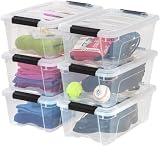 IRIS clear storage bins, 6-pack
See-through, stackable, and cheap. One per category — paint, drawing, tools — and the re-buying-duplicates problem disappears.
Check price on Amazon Dunwell 11×14 art portfolio binder
Acid-free sleeves in a presentation book. Finished drawings and watercolors stay flat, clean, and showable.
Check price on Amazon
Professional recommendations
 AdirOffice 5-drawer flat file
The destination purchase for paper and flat work. A heavy steel five-drawer cabinet that stores a lifetime of work flat and protected.
Check price on Amazon ArtBin Super Satchel system
Modular, airtight, and stackable, with dividers that fit tubes and pans exactly. The system that scales from one box to a wall.
Check price on Amazon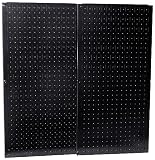 Wall Control metal pegboard kit
Steel pegboard that holds real weight — tools, jars, even small shelves. Turns dead wall into the most accessible storage in the studio.
Check price on Amazon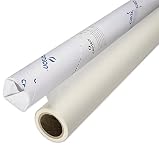 Canson archival glassine
The archival standard for separating finished works on paper. No sticking, no moisture trapping, no regrets in ten years.
Check price on Amazon
Art Storage & Organization FAQs
Keep reading
Related guides from the art storage & organization shelf
Art Storage & Organization
How to Build an Affordable Art Studio (Complete Setup Guide)
A working studio is a system, not a room. Here is the complete budget build — space, light, furniture, and storage — for under $300, most of it secondhand.
Read the guide

Drawing Supplies
Best Art Supplies for Beginners: The Honest Starter Kit
A complete, tested beginner art kit for under $100 — plus the five products beginners should never buy, and the upgrade order that makes every dollar count.
Read the guide