Watercolor Supplies: the complete guide
Updated March 8, 2026 · 13 min read
Watercolor has a reputation for being difficult, and cheap supplies deserve most of the blame. The medium is genuinely cooperative once three things are right: real paper, decent paint, and one brush that holds a point. This guide explains each choice, in the order that affects your results most.
Our watercolor testing is protocol-driven: the same wash study painted on every paper, the same brush loaded and pointed fifty times, the same pan set rewet daily for a month. The recommendations below are the survivors.
Paper first: it is 70% of your results
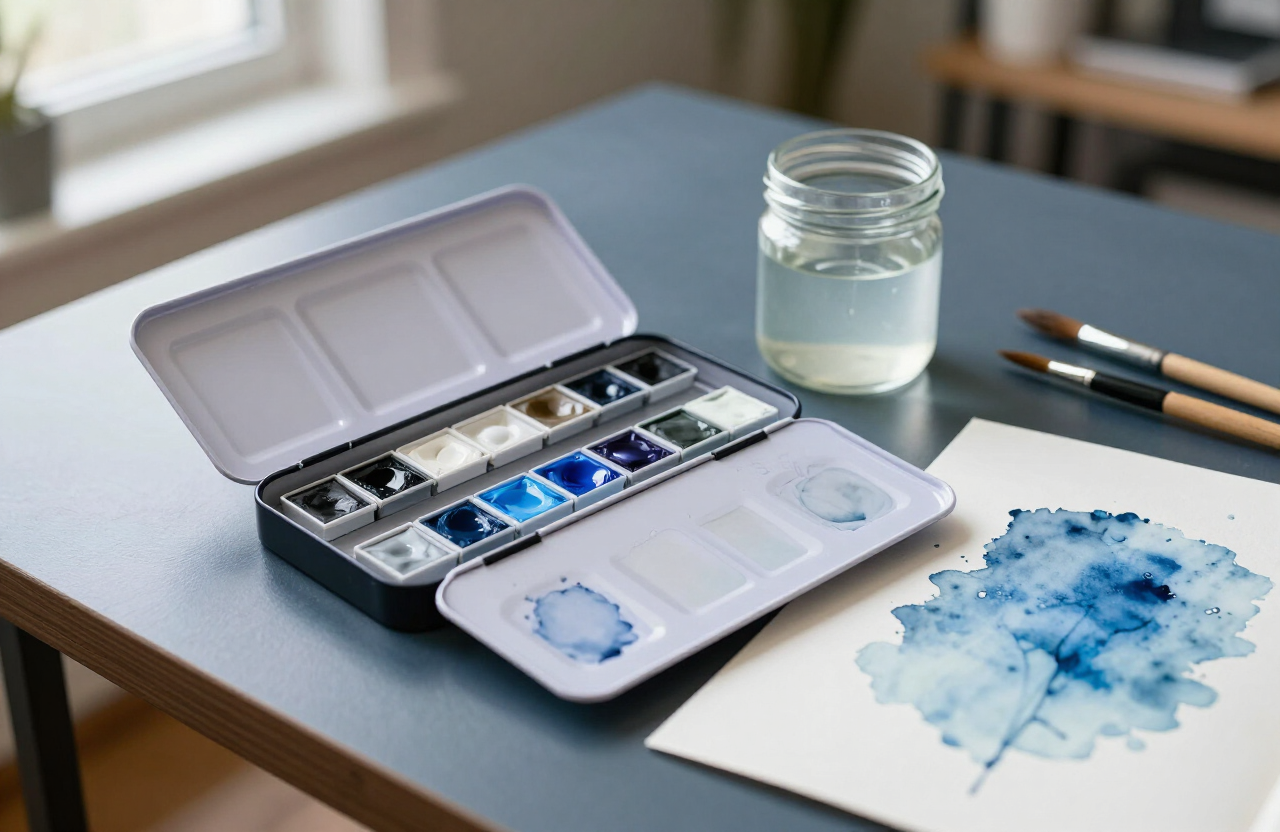
Watercolor paper is not a surface; it is half the medium. Cotton paper (usually labelled 100% cotton or rag) absorbs water evenly, tolerates scrubbing and lifting, and keeps washes luminous. Cellulose (wood-pulp) paper is cheaper but fights you: washes dry patchy, colors lift unevenly, and the surface pills if you rework it.
Weight matters too. Paper under 300 gsm (140 lb) buckles when wet unless stretched or taped down; 300 gsm and heavier stays flat under most washes. Texture comes in three presses: hot press (smooth, for detail), cold press (medium tooth, the all-rounder), and rough (heavy texture, for expressive work). Start with 300 gsm cold press, cotton if the budget allows, and a cellulose pad like Canson XL for practice.
Pans versus tubes
Pan paints are dry cakes you rewet with your brush: portable, tidy, and ideal for sketchbook work and small paintings. Tube paints are moist and creamy: faster to load for big washes, easier to mix in quantity, and the better value per millilitre at artist grade.
The practical answer for most painters: a small pan set for location work and a handful of tubes for the studio. Pans of quality paint rewet instantly and last for years; cheap pans stay chalky no matter how long you soak them. This is one category where the student/artist gap is obvious on the first wash.
Paint quality: what the money buys
Artist-grade watercolor contains more pigment and better binders, which means stronger washes from less paint, cleaner glazing, and lightfastness ratings you can trust. Student lines like Winsor & Newton Cotman or Van Gogh are genuinely good — the gap to artist grade is smaller in watercolor than in any other medium.
Check pigment numbers on the label and prefer single-pigment colors for mixing. A core palette of nine — a warm and cool of each primary, plus burnt sienna, burnt umber, and a neutral tint — covers landscape, portrait, and botanical work alike.
Brushes: one great round beats a set
A size 8 or 10 round with a fine point handles 90% of watercolor painting: the belly holds a reservoir of wash, the point paints details. Add a large mop or flat for skies and a small round for detail, and the kit is complete.
Kolinsky sable remains the benchmark — unmatched snap, point, and water capacity — but costs accordingly. Modern synthetics like Princeton Neptune mimic sable's behavior closely enough that most painters, including many professionals, have switched. Whatever the fiber, test the point: a wet brush drawn to a tip should come to a single hair-fine point without splaying.
Palettes, water, and the small tools
Any white surface works as a palette, but a porcelain plate or enameled butcher tray beats plastic: plastic beads water and stains, porcelain does neither. Two water jars — one for the first rinse, one for the final clean — keep colors honest. A sponge, paper towels, and masking tape complete the essentials.
Masking fluid preserves white paper through washes; buy a small bottle and dedicate an old brush to it, because it ruins good ones. A spray bottle for rewetting and a soft pencil for light drawing round out the working kit.
Gouache: watercolor's opaque sibling
Gouache is watercolor with added opacity — same gum arabic binder, more pigment, and often chalk or similar fillers. It dries matte, reworks when wet, and suits illustration, design, and anyone who wants watercolor handling with covering power.
It uses the same paper and brushes, so it is a nearly free expansion of a watercolor kit. Many painters keep a tube of permanent white gouache alongside transparent watercolors for highlights and corrections.
Building a kit at three budgets
Under $50: a Cotman or Van Gogh pan set, a Canson XL watercolor pad, and two synthetic rounds. This kit is genuinely capable — the paper is the compromise, and it is the right compromise at this stage.
Under $150: upgrade paper to 100% cotton (a block of Baohong or a pad of Arches), add a Princeton Neptune round, and expand the palette with three or four tubes of Daniel Smith. Beyond $150, the improvements are refinements: sable brushes, full artist-grade palettes, and archival blocks. Spend in that order — paper, brush, paint — and every dollar shows in the work.
Watercolor Supplies compared
The short version, side by side. Every row links to a fuller discussion in the guide above — and every product here earned its place in hands-on testing.
| Set | Format | Grade | Best for | Typical price |
|---|---|---|---|---|
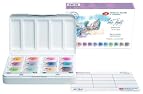
| 12 half pans | Student | First kit and travel | $20–28 | |
| 12 half pans | Student+ | Strongest student pigment | $25–35 | |
| 5 ml tubes | Artist | First artist-grade palette | $35–45 | |
| Full pans | Artist | Best value artist set | $30–40 | |
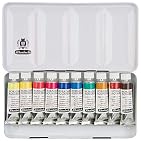
| 10 × 15 ml tubes | Artist | The heirloom option | $90–120 |
Beginner recommendations
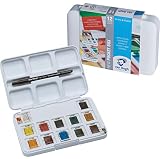
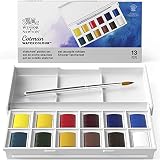 Winsor & Newton Cotman Sketchers' Pocket Box
The classic first watercolor set: twelve well-chosen half pans, a travel brush, and mixing wells in a pocketable box. Rewets reliably and mixes cleanly.
Check price on Amazon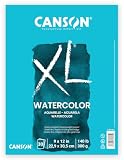 Canson XL watercolor pad, 9×12
The best cheap practice paper — 300 gsm cellulose that takes real washes without disintegrating. Save cotton paper for paintings; learn on this.
Check price on Amazon Princeton Heritage Series 4050 round
Princeton flagship synthetic sable — the best point and spring of any Princeton synthetic. A size 8 or 10 round carries a beginner through a year of painting.
Check price on Amazon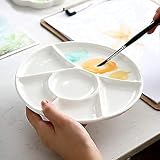 White porcelain watercolor palette
A simple white porcelain palette that never stains and never beads. The single most satisfying ten-dollar upgrade in watercolor.
Check price on Amazon
Professional recommendations
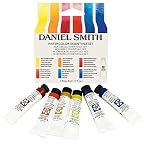
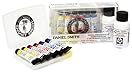 Daniel Smith Extra Fine watercolor set
The largest single-pigment range in the industry, with genuine mineral colors like genuine sap green and the Primatek earths. Build a custom palette five tubes at a time.
Check price on Amazon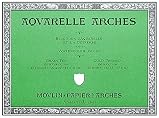 Arches cold press watercolor block, 9×12
The reference cotton paper: gelatin-sized, forgiving of lifting and scrubbing, and glued on four sides so it dries flat without stretching.
Check price on Amazon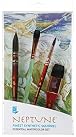 Princeton Neptune round brushes
The synthetic that convinced sable loyalists: enormous water capacity, a needle point, and a price that makes a size 12 mop affordable.
Check price on Amazon Raphael 8404 kolinsky sable round
The benchmark kolinsky sable brush for painters who want the original. A size 6 Raphael 8404, cared for, outlasts a decade of daily painting.
Check price on Amazon
Watercolor Supplies FAQs
Keep reading
Related guides from the watercolor supplies shelf
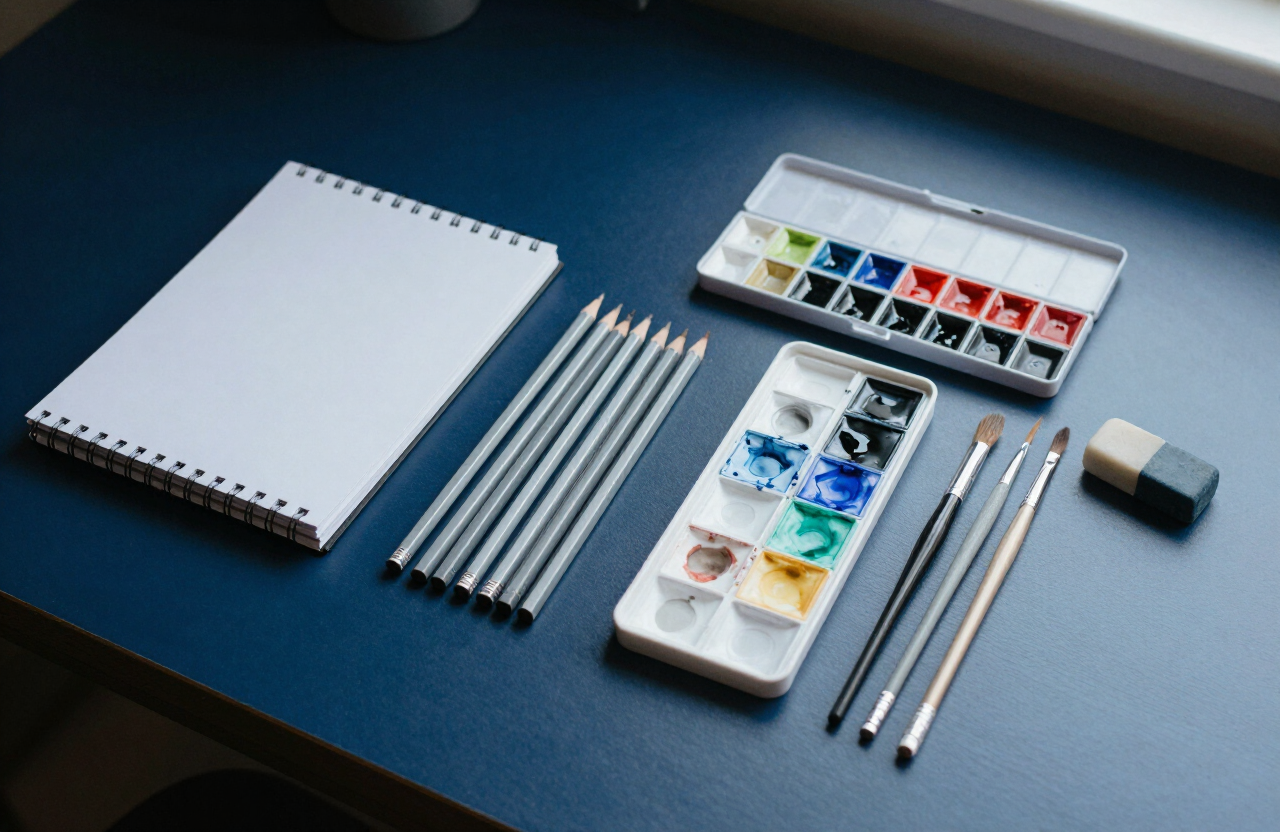
Drawing Supplies
Best Art Supplies for Beginners: The Honest Starter Kit
A complete, tested beginner art kit for under $100 — plus the five products beginners should never buy, and the upgrade order that makes every dollar count.
Read the guide
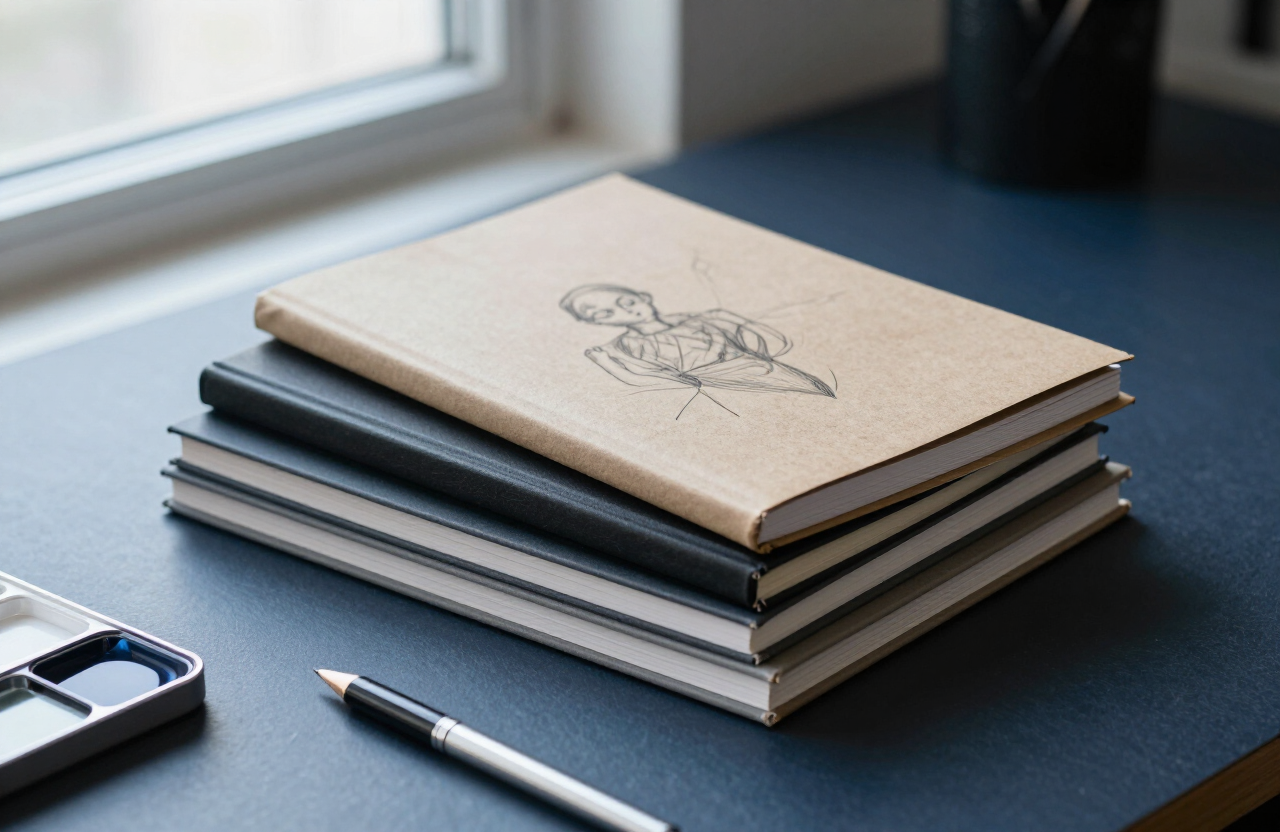
Drawing Supplies
Best Sketchbooks for Artists: Tested Picks for Every Medium
We filled, soaked, and abused a shelf of sketchbooks to find the ones worth your drawings — organized by medium, with the paper specs that actually matter.
Read the guide