Acrylic Painting Supplies
The Complete Acrylic Painting Starter Guide
Published January 20, 2026 · Updated March 10, 2026 · 14 min read
Why acrylic is the right first paint
Acrylic dries in minutes, cleans up with water, needs no solvents, and forgives the universal beginner move — changing your mind — by simply painting over itself. It is the only medium where a mistake has a five-minute recovery time.
It is also honest about quality: the gap between good and bad acrylic is visible on the first brushstroke, which makes it a great teacher of what paint should feel like. This guide takes you from zero to a finished first painting; our acrylic supplies guide covers the buying details in depth.
The exact starter kit
Everything below fits in a tote bag and costs $80–100. Resist the urge to improvise substitutions on the paint and brushes — those two categories carry the whole experience.
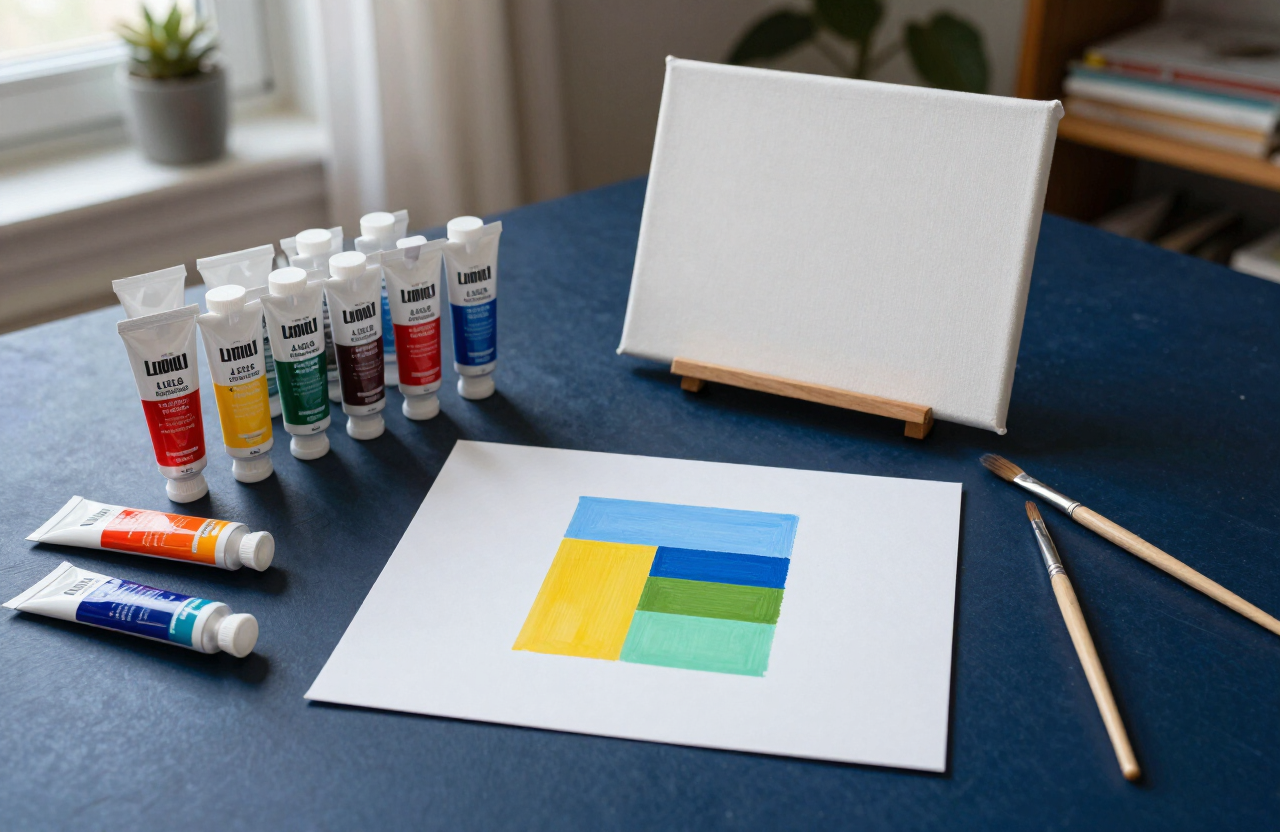
- Liquitex Basics 12-color set (or Amsterdam Standard 12) — student grade, real pigment
- Four synthetic brushes: size 8 flat, size 8 round, size 2 round, 2-inch cheap flat
- Fredrix canvas panels, 8×10, pack of 12
- Masterson Sta-Wet palette with sponge and paper
- Two water jars, paper towels, and a spray bottle
- Optional: a small bottle of gesso for raw surfaces
Setting up a painting session
Set up the same way every time until it is automatic: water jars on your dominant-hand side, palette beyond them, brushes in a jar handle-down, towels within reach. Squeeze out only the colors the session needs — acrylic does not go back in the tube.
Light matters more than beginners expect. A north-facing window or a daylight bulb (5000–6500K) shows colors honestly; warm household bulbs lie to you about every mixture. Paint for thirty minutes per session at first — short, frequent sessions build skill faster than weekend marathons.
Your first painting, step by step
Paint a simple object from life — a mug, an apple, a houseplant — against a plain background. Sketch it lightly in pencil or thin paint. Block in the big shapes first: background, shadow side, light side. Work from general to specific, and from thin paint to thick.
Mix colors on the palette, not on the canvas. When a passage goes wrong, let it dry (five minutes) and paint over it — that is the medium's superpower. Stop when the object reads clearly from across the room. Sign it. The first painting's job is to exist, not to impress.
The five mistakes that stall beginners
One: using too little paint — acrylic needs to be pushed around confidently. Two: over-blending until everything is mud — let strokes sit. Three: painting on white canvas — tone the panel with a thin wash of burnt umber first, and values become far easier to judge.
Four: letting paint dry in brushes — rinse during the session, wash with soap after, and never leave a brush standing in water. Five: judging the painting at arm's length — step back every few minutes. Paintings are read from across the room, and yours should be built there too.
Cleanup and care
Acrylic is permanent once dry, which makes cleanup a discipline rather than a chore. Wash brushes with mild soap and cool water, reshape the tips, and dry them flat or bristle-up. Wipe the stay-wet palette and refrigerate it between sessions to keep paint alive for days.
Dried acrylic on clothing is forever — dedicate a painting shirt. Dried acrylic on palettes peels off in satisfying sheets if you used a glass or plastic palette. Keep the sink strainer in place; acrylic solids should go in the trash, not the drain.
Where to go next
After ten small paintings, you will know your own friction points — and that is when our acrylic supplies guide becomes useful for targeted upgrades: better white, a proper large flat, artist-grade primaries.
When the pile of panels grows, our studio and storage guides help you build a space that keeps the habit easy. The painters who improve fastest are the ones whose supplies are always within arm's reach.
The picks, in one place
Our tested recommendations
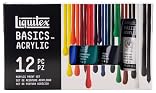 Liquitex Basics 12-color acrylic set
The starter paint we have recommended for years — consistent, honest, and cheap enough to use generously.
Check price on Amazon DUGATO 13-piece synthetic brush set
Synthetics that survive beginner technique and keep their shape.
Check price on Amazon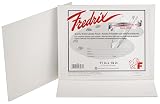 Fredrix canvas panels 8×10, 12-pack
Twelve surfaces to learn on without a single precious canvas.
Check price on Amazon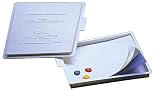
Frequently asked questions
Keep reading
Drawing Supplies
Best Art Supplies for Beginners: The Honest Starter Kit
A complete, tested beginner art kit for under $100 — plus the five products beginners should never buy, and the upgrade order that makes every dollar count.
Read the guide
Art Storage & Organization
How to Build an Affordable Art Studio (Complete Setup Guide)
A working studio is a system, not a room. Here is the complete budget build — space, light, furniture, and storage — for under $300, most of it secondhand.
Read the guide